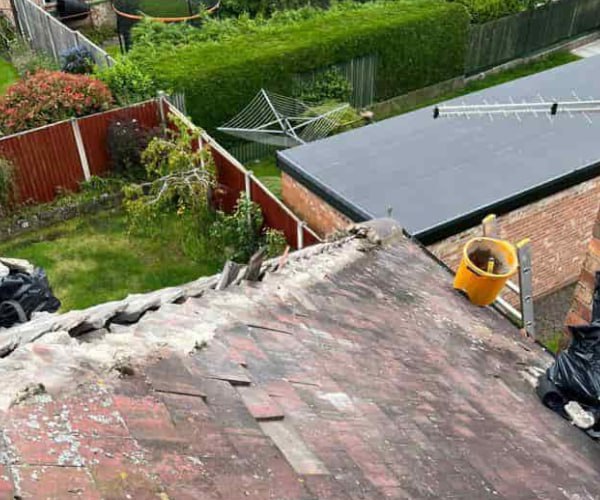
8 Reasons Why Roof Tiles Crack or Slip
Roof tiles form the outer protective layer of a roofing system, helping to shield the property from rain, wind and changing weather conditions. When tiles crack or slip out of position, the roof’s ability to protect the home can be compromised. Even a single displaced tile can allow moisture to reach the underlying materials.
For homeowners in Shortstown, Bedfordshire, understanding why roof tiles crack or slip can help identify problems early and prevent more extensive roofing issues. At LKN Roofing Shortstown, we regularly assist property owners with identifying the causes of tile movement and carrying out professional repairs to restore the roof’s protection.
1. Strong Winds and Severe Weather
High winds are one of the most common causes of slipped roof tiles. Powerful gusts can lift the edges of tiles, particularly if the fixings have weakened over time. Once a tile has been disturbed, it may slide downward along the roof slope.
Storm conditions can also place pressure on older tiles, sometimes causing them to crack if they are already weakened.
2. Ageing Roofing Materials
Roofing materials naturally experience wear as they are exposed to the elements year after year. Over time, tiles may become more brittle and susceptible to cracking.
As the roof ages, the nails or clips holding the tiles in place may also deteriorate. When fixings weaken, tiles can begin to loosen and eventually slip from their original position.
3. Poor Roof Installation
If roof tiles are not installed correctly, they may not be properly secured to the roof structure. Incorrect spacing, inadequate fixings or poorly aligned tiles can increase the likelihood of movement.
Professional installation ensures that tiles are positioned and secured correctly so they remain stable even during challenging weather conditions.
4. Structural Movement of the Roof
Buildings naturally settle slightly over time. Small shifts within the roof structure can sometimes affect the alignment of the tiles.
When the underlying structure moves, tiles may become misaligned or lose their secure positioning. This can lead to slipping tiles or small cracks forming in the material.
5. Impact from Debris
Falling debris such as tree branches or heavy objects can strike the roof and cause damage to individual tiles. Even relatively small impacts may create cracks that weaken the tile.
Once damaged, the tile may gradually deteriorate further or become dislodged during windy conditions.
6. Temperature Changes
Roof tiles expand and contract slightly as temperatures change throughout the year. Repeated cycles of heating and cooling can place stress on the tiles over time.
This natural movement may eventually lead to minor cracks, particularly if the tiles are older or already weakened.
7. Foot Traffic on the Roof
Walking on a tiled roof without proper care can sometimes cause damage. The pressure placed on individual tiles may cause them to crack or shift from their position.
Professional roofing specialists understand how to move safely across roofing surfaces while minimising stress on the tiles.
8. Blocked Drainage Areas
When gutters or roof valleys become blocked with debris, rainwater may not drain properly. Standing water can increase the weight and pressure on certain sections of the roof.
Over time, this added stress may contribute to tile movement or deterioration in vulnerable areas.
The Importance of Prompt Repairs
Cracked or slipped tiles should be addressed as soon as they are identified. When the protective layer of the roof is compromised, water may begin to enter the structure beneath the tiles.
Prompt repairs help restore the roof’s protective barrier and prevent moisture from affecting the underlying materials.
At LKN Roofing Shortstown, we provide professional roof inspections and tile repair services for homeowners in Shortstown, Bedfordshire, ensuring that roofing systems remain secure and reliable.
Conclusion
Roof tiles can crack or slip for a variety of reasons, including weather exposure, ageing materials, structural movement and external impact. Identifying these causes early allows homeowners to address the problem before it leads to more significant roofing damage.
For residents in Shortstown, Bedfordshire, maintaining the condition of roof tiles is essential for protecting the home from the elements. LKN Roofing Shortstown offers professional roofing inspections and repair services designed to restore the stability and performance of your roof.
Call us on: 01234 860 695
Click here to find out more about LKN Roofing Shortstown
Click here to complete our contact form and see how we can help with your roofing needs.