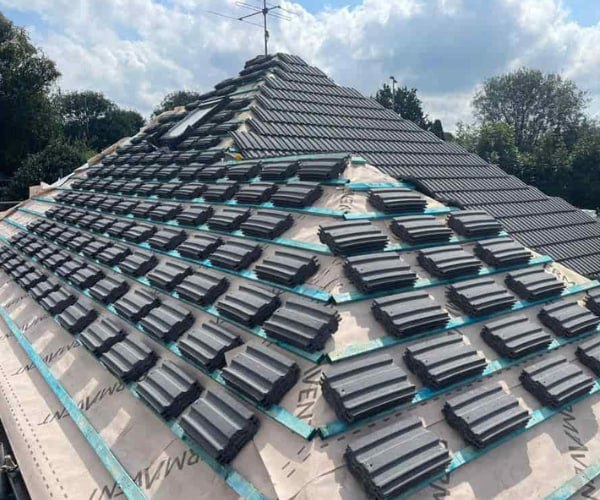
When Should You Act on a Roof Problem Rather Than Monitor It?
Not every small change in a roof means urgent work is required. Roofs naturally weather over time, and some signs of ageing can simply be monitored as part of sensible maintenance. However, there is an important difference between watching a stable condition and delaying action on a defect that is already compromising the roof.
For homeowners in Shortstown, Bedfordshire, knowing when to move from monitoring to professional roof repair can help prevent relatively contained defects from developing into wider problems. At LKN Roofing Shortstown, we assess roofing issues in context, looking at their cause, extent and effect on the surrounding roof before recommending the appropriate work.
Monitoring Is Only Appropriate When the Roof Remains Sound
Monitoring can sometimes be reasonable when a roof is generally performing well and the area in question is stable.
For example, weathering that has not resulted in movement, cracking or water ingress may simply need to be kept under observation. What matters is whether the condition is changing and whether it affects the roof’s ability to keep the property protected.
Once a defect creates an opening, allows materials to move or begins interfering with water management, professional attention becomes considerably more important.
1. A Tile or Slate Has Slipped
A visibly displaced tile or slate is normally something to act on rather than simply monitor.
Roof coverings rely on the correct positioning and overlap of individual materials to direct rainfall down the roof. When one moves, an area that should be protected can become exposed.
Even if there is no internal leak yet, the underlying materials may be more vulnerable to rainfall.
A slipped tile can also move further during windy conditions, so dealing with it while the problem remains localised is generally preferable.
2. You Have Found Signs of Water Ingress
Water entering the property is a clear indication that the roofing system needs investigation.
Signs can include:
- Damp patches on ceilings
- Water staining
- Dripping during rainfall
- Dampness within the roof space
- Darkened roof timbers
- Marks that become more noticeable after wet weather
It is important not to assume that the defect is directly above the visible internal stain. Water can travel along roofing materials and timbers before appearing elsewhere.
Professional inspection helps trace the likely entry point rather than simply treating the internal symptom.
3. A Small Defect Is Getting Worse
Monitoring only works when the condition remains stable.
If you have been watching a crack, loose component or deteriorating section and it is becoming progressively more noticeable, the situation has changed.
Increasing deterioration suggests that the underlying cause is continuing to affect the roof.
This is particularly important when several roofing materials around the original defect begin showing similar signs.
4. Several Tiles Are Starting to Move
One damaged tile may represent an isolated problem. Multiple tiles slipping or becoming loose can indicate something more widespread.
Possible causes may involve ageing fixings, deteriorating battens or general deterioration within that section of the roof.
Continually replacing individual tiles without considering why several are moving may fail to address the underlying problem.
A professional assessment can determine whether targeted repairs remain sufficient or whether a wider section requires attention.
5. Flashing Is Lifting or Deteriorating
Flashing helps protect vulnerable areas where roofing surfaces meet adjoining features or where the roof changes form.
If flashing becomes loose, cracked or displaced, water can potentially reach areas beneath the roof covering.
Because these junctions play such an important role in weather protection, visible deterioration should not normally be ignored while waiting for an internal leak to appear.
Early repair can restore the weatherproofing detail before repeated rainfall takes advantage of the weakness.
6. Ridge or Hip Tiles Have Become Loose
Ridge and hip areas occupy particularly exposed positions on many roofs.
Loose materials in these locations can become increasingly vulnerable during windy weather. They can also affect the weather resistance of the roof lines they are intended to protect.
Visible movement, missing sections or significant deterioration around ridge and hip details should therefore be professionally assessed.
7. Gutters Are Overflowing Because of a Roofing Issue
Gutters form part of the property’s rainwater management system and help carry rainfall safely away from the roof.
An occasional blockage may be straightforward to address, but repeated overflowing deserves investigation.
Moss, debris or deterioration from the roof can restrict water flow, while damaged guttering can allow water to spill back towards roof edges and surrounding surfaces.
If the problem continues whenever there is substantial rainfall, monitoring it is unlikely to improve the situation.
8. A Previous Roof Repair Has Developed a New Problem
A previously repaired area should remain stable once the original defect has been correctly resolved.
If water ingress returns or deterioration appears around the surrounding section, further assessment is worthwhile.
This does not necessarily mean the previous repair has failed. On an older roof, neighbouring original materials may simply have continued ageing and developed a separate weakness.
Either way, recurring symptoms should be investigated rather than repeatedly monitored.
9. Strong Weather Has Visibly Changed the Roof
Wind and heavy rainfall can reveal weaknesses very quickly.
After severe weather, you may notice that tiles have shifted, ridge materials look different or debris has fallen from the roof.
If the roof visibly looks different from its previous condition, arranging an inspection is sensible.
The absence of an immediate leak does not guarantee that the roof covering remains fully weather-resistant.
When Can Monitoring Still Make Sense?
Not every observation requires immediate repair.
Monitoring may remain appropriate when:
- The condition is minor and stable
- There is no visible movement
- No materials are missing
- There are no signs of water ingress
- The surrounding roof remains in good condition
- A professional assessment has confirmed that work is not currently necessary
The important distinction is that monitoring should be an informed decision rather than simply postponing attention because the roof has not started leaking.
Do Not Use an Internal Leak as the Threshold for Action
Waiting for water to appear inside the property is rarely the best way to judge when a roof needs attention.
A roof defect can exist before moisture becomes visible internally. Once rainfall has passed through the outer covering, it may encounter underlay and other components before eventually reaching the interior.
Acting on clear external defects can help maintain these protective layers rather than relying on them after the main covering has become compromised.
Why Early Roof Repairs Can Be More Effective
Roofing defects can interact with the materials around them.
A loose tile can expose underlay. Damaged flashing can allow moisture into a junction. A deteriorating ridge detail can become increasingly unstable in strong winds.
Addressing the original defect helps restore the roof’s intended protection before surrounding areas are unnecessarily exposed.
This is why early intervention is an important part of sensible roof maintenance.
Look for Patterns Rather Than Individual Problems
Sometimes the most useful warning sign is not one major defect but a pattern of smaller issues.
A homeowner might notice occasional slipping tiles, followed by deteriorating flashing and later an internal damp mark. Each issue could appear unrelated when considered individually, but together they may indicate broader roof deterioration.
If several different defects are developing within a relatively short period, a whole-roof assessment can provide a clearer understanding of its overall condition.
Repair or Replacement Depends on the Extent of the Problem
Acting on a roofing issue does not automatically mean extensive work will be required.
Where the defect is localised and the surrounding roof remains sound, targeted roof repairs may provide the appropriate solution.
Replacement roofing becomes more relevant when deterioration is widespread, supporting components are affected or numerous areas are failing at the same time.
At LKN Roofing Shortstown, we assess the scale of the problem before recommending the scale of the solution. This helps avoid both unnecessary work and repeated repairs that fail to address wider deterioration.
Why Professional Roof Assessment Adds Value
Roof problems can be difficult to diagnose accurately from ground level.
The most obvious defect may not be the only issue, and the location of an internal leak may not identify where water originally entered.
A professional inspection can consider:
- Tiles and slates
- Ridge and hip details
- Flashing
- Valleys and junctions
- Signs of water ingress
- Previous repair areas
- Accessible underlying components
- The general condition of the roof
This wider assessment helps establish whether monitoring remains appropriate or repair work should now be carried out.
Act When the Roof Is Telling You Something Has Changed
A useful way to approach roof maintenance is to pay attention to change.
A weathered roof that remains stable is different from one where tiles have started slipping. An old flashing detail that remains secure is different from one that has begun lifting. A previously dry roof is different from one that suddenly develops damp patches after rainfall.
When something has clearly changed, there is usually value in finding out why.
Early professional assessment can provide clarity before the problem is given more time to develop.
Conclusion
Monitoring can be appropriate for minor, stable signs of roof ageing, but visible movement, water ingress, loose tiles, deteriorating flashing, recurring defects and worsening damage should not simply be watched indefinitely. These signs can indicate that the roof’s weather protection has already been compromised or is becoming increasingly vulnerable.
For homeowners in Shortstown, Bedfordshire, LKN Roofing Shortstown provides professional roof inspections and repairs based on the actual condition of the roofing system. If you have noticed a problem that is changing, recurring or beginning to affect the performance of your roof, our experienced team can assess the cause and recommend the appropriate work to restore dependable protection.
Call us on: 01234 860 695
Click here to find out more about LKN Roofing Shortstown
Click here to complete our contact form and see how we can help with your roofing needs.