How Can a Roofing Contractor Identify Problems That Are Easy to Miss?
Some roofing problems are obvious, such as a missing tile or water dripping through a ceiling. Others develop gradually and remain difficult to see from ground level. A small split in flashing, weakened fixing or damaged section of underlay may allow moisture into the roofing system without producing an immediate internal leak.
A professional roofing contractor assesses how the complete roof works rather than looking only for visible damage. By checking vulnerable details, tracing moisture and recognising patterns of deterioration, they can identify problems before they become more extensive.
How Professional Roof Inspections Reveal Hidden Defects
Examining the Roof From Several Positions
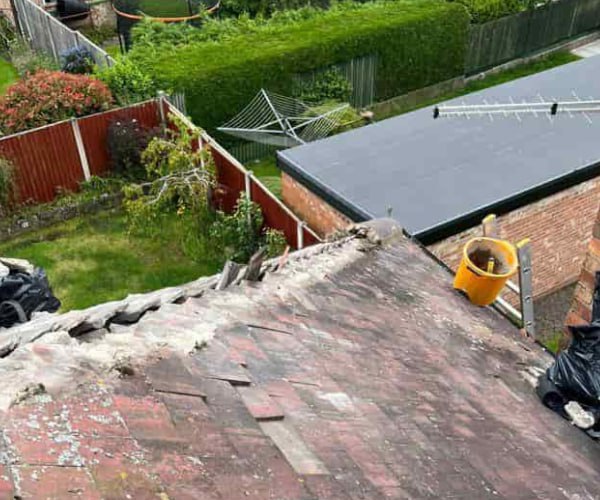
A roof may appear sound from one viewpoint while defects remain hidden behind ridges, chimneys or changes in pitch. Contractors assess the covering from suitable positions so that alignment, overlaps and junctions can be examined properly.
This closer view can reveal small gaps, lifted edges and movement that would be difficult to recognise from the garden or driveway.
Checking Tile and Slate Alignment
Tiles and slates do not need to be completely missing to cause a problem. A covering may have shifted only slightly but lost the overlap needed to direct rainwater correctly.
A roofer checks for uneven lines, widened gaps, raised edges and sections that no longer sit securely. They can also inspect whether the surrounding materials have been disturbed by the same movement.
Looking for Hairline Cracks and Hidden Breaks
Fine cracks are not always visible from below. Some tiles can also break around their nibs or fixings while the exposed face continues to appear intact.
Careful inspection helps identify fractures, weakened corners and concealed damage. These defects matter because they may allow water through or leave the tile vulnerable to further movement.
Testing Whether Materials Are Secure
Roof coverings, ridge tiles and flashing can remain in position despite weakened fixings. Strong winds may loosen them without immediately removing them from the roof.
A professional contractor knows which areas can be checked safely for movement and how to avoid causing additional damage. Loose materials can then be secured before they shift further.
Inspecting Flashing and Roof Junctions
The points where the roof meets chimneys, walls, valleys and other features are particularly vulnerable. Different materials meet in these areas, and even a narrow opening can provide a route for water.
A contractor checks for lifted flashing, open joints, splits, deteriorated mortar and poor overlaps. These defects may be small but can cause persistent leaks because they affect areas carrying concentrated water flow.
Assessing Ridges, Hips and Verges
Ridges, hips and verges are exposed to significant wind pressure. Mortar may crack or loosen, while mechanical fixings can weaken over time.
From ground level, these components may appear normal. Close inspection can reveal subtle movement, gaps or failing materials before sections become visibly displaced.
Checking Valleys, Gutters and Outlets
Leaves, moss and roofing debris can restrict water flow through valleys, gutters and outlets. A partial blockage may not cause obvious overflowing during light rain but can become a problem in a heavier downpour.
Roofing contractors look for debris, poor alignment, damaged linings and areas where water has been collecting. Staining or residue can provide evidence of previous overflow even when the surface is dry during the inspection.
Looking Beneath the Visible Roof Covering
Tiles and slates are only one part of the roofing system. The battens and underlay beneath them also need to remain serviceable.
Where access and conditions allow, a contractor may lift selected coverings to inspect hidden components. This can reveal torn underlay, weakened battens, failed fixings or moisture that is not visible from the exterior.
Inspecting the Roof Space
The roof space can provide valuable evidence of defects that have not yet affected occupied rooms. A roofer may look for:
- Water marks on timbers
- Damp or discoloured underlay
- Wet insulation
- Mould-like surface growth
- Unexpected daylight through gaps
- Rust marks around fixings
- Signs that water has travelled from another area
The position of internal moisture is compared with the external roof layout to help identify its likely route.
Tracing Water Rather Than Guessing
Water rarely travels straight down from the point of entry. It can follow underlay, battens, pipes and timbers before becoming visible some distance away.
An experienced contractor considers the roof’s pitch, overlaps and drainage paths when investigating a leak. This avoids assuming that the defect sits directly above the ceiling stain and reduces the risk of repairing the wrong area.
Recognising Patterns Across the Roof
One cracked tile may be an isolated issue. Several slipped tiles, repeated repairs or defects appearing on different slopes may point to a wider problem involving fixings, battens or ageing materials.
A roofing contractor compares individual defects with the overall condition of the roof. This helps distinguish a straightforward local repair from deterioration requiring broader attention.
Assessing Flat Roof Seams and Edges
Flat roof defects can be difficult to see because small splits, lifting seams and perimeter weaknesses may remain closed during dry weather. Standing water can also conceal surface damage.
A professional inspection includes joints, outlets, upstands, trims and areas around roof penetrations. Blistering, cracking or changes in the surface may indicate moisture or movement beneath the covering.
Considering the Conditions That Trigger the Problem
Details about when a leak appears can support the investigation. A defect that occurs only during wind-driven rain may differ from one that develops after prolonged rainfall.
A contractor may ask about wind direction, rainfall intensity, previous repairs and where internal marks first appeared. Combining this information with physical inspection helps narrow down the likely cause.
Why Professional Assessment Matters
LKN Roofing Shortstown examines the visible roof covering, vulnerable junctions, drainage and accessible internal areas before recommending work. This evidence-based approach helps identify the underlying cause instead of simply treating the most obvious symptom.
It also allows serviceable roofing materials to be retained where appropriate while concealed or developing defects receive the attention they need.
Conclusion
Roofing problems are often easy to miss because damage can be small, hidden beneath the covering or located away from the visible internal stain. Professional contractors use close inspection, knowledge of water movement and an assessment of the complete roofing system to locate these defects accurately.
If you have noticed dampness, recurring leaks or unexplained changes to your roof in Shortstown, Bedfordshire, contact LKN Roofing Shortstown to arrange a professional inspection and suitable repair.
Call us on: 01234 860 695
Click here to find out more about LKN Roofing Shortstown
Click here to complete our contact form and see how we can help with your roofing needs.